Introduction
If you have ever sneezed your way through a morning at home or felt your eyes get itchy the moment you sit on the couch, you are not imagining things. Indoor allergens are more common than most people think, and they can quietly build up in carpets, furniture, bedding, and even the air you breathe.
That is why learning cleaning habits that reduce indoor allergens can make such a noticeable difference in daily comfort. The goal is not just a clean-looking home but a healthier environment where dust, pollen, and pet dander are kept under control.
According to the American College of Allergy, Asthma & Immunology, about 10 to 30 percent of the global population suffers from allergic rhinitis, and indoor allergens like dust mites and mold are among the most common triggers. That means millions of people are dealing with symptoms that can often be improved with better cleaning routines.
Let’s go through practical habits that actually help reduce allergens without making your life complicated.
Why Indoor Allergens Build Up So Easily
Indoor spaces trap allergens more easily than outdoor environments. Closed windows, soft furnishings, and limited airflow all contribute to buildup over time.
Common indoor allergens include:
- Dust mites living in bedding and upholstery
- Pet dander from cats and dogs
- Mold spores in damp areas like bathrooms
- Pollen that enters through windows or clothing
- Household dust that circulates through air systems
When these particles accumulate, they can trigger symptoms like sneezing, congestion, headaches, and itchy eyes. This is why consistent cleaning habits that reduce indoor allergens are so important for long-term relief.
Regular Vacuuming Makes a Huge Difference
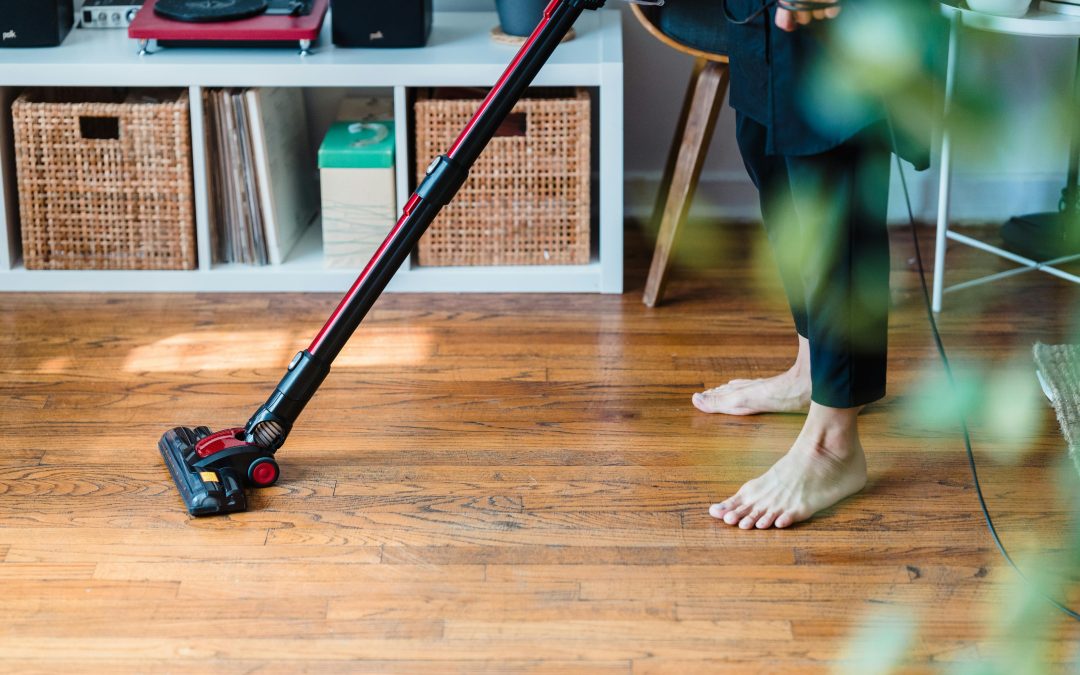
Vacuuming is one of the most effective ways to reduce allergens, especially in carpeted areas.
To get the best results:
- Use a vacuum with a HEPA filter
- Vacuum at least two to three times per week
- Focus on carpets, rugs, and upholstered furniture
- Don’t forget corners and under furniture
HEPA filters are especially important because they can trap very small particles that regular vacuums might release back into the air.
Consistent vacuuming is one of the most essential cleaning habits that reduce indoor allergens because it removes dust before it has a chance to settle deeper into fabrics.
Washing Bedding Frequently Reduces Dust Mites
Your bed is one of the biggest sources of indoor allergens. Dust mites thrive in warm, soft environments, especially bedding.
Simple steps include:
- Wash sheets and pillowcases weekly in hot water
- Clean blankets and duvet covers regularly
- Use allergen-proof mattress and pillow covers
- Avoid heavy layering of dust-collecting fabrics
Studies show that dust mites are a major trigger for asthma and allergy symptoms, especially in bedrooms where people spend long hours.
Making bedding hygiene a priority is one of the most effective cleaning habits that reduce indoor allergens for better sleep quality and breathing comfort.
Controlling Humidity to Prevent Mold Growth
Moisture is one of the biggest contributors to indoor allergens, especially mold. Bathrooms, kitchens, and basements are common problem areas.
To control humidity:
- Keep indoor humidity between 30 to 50 percent
- Use exhaust fans in bathrooms and kitchens
- Fix leaks as soon as they appear
- Consider using a dehumidifier in damp areas
The U.S. Environmental Protection Agency notes that controlling moisture is the key to preventing mold growth indoors. Without moisture, mold cannot thrive.
This makes humidity control one of the most important cleaning habits that reduce indoor allergens in the long run.
Decluttering Helps Reduce Dust Accumulation
Clutter might not seem like a health issue, but it actually gives dust more places to settle and hide.
Helpful decluttering habits include:
- Keeping surfaces as clear as possible
- Storing items in closed cabinets instead of open shelves
- Reducing decorative items that collect dust
- Organizing storage spaces regularly
Less clutter means fewer surfaces for dust to accumulate, which makes cleaning more effective and faster.
This simple habit supports overall cleaning habits that reduce indoor allergens by making your environment easier to maintain.
Air Quality Improvements Through Simple Cleaning
Cleaning the air itself is just as important as cleaning surfaces.
Some easy ways to improve air quality include:
- Using air purifiers with HEPA filters
- Changing HVAC filters regularly
- Opening windows for ventilation when outdoor air is clean
- Avoiding indoor smoking or strong chemical sprays
Clean air circulation reduces the number of airborne particles that can trigger allergies.
This step often gets overlooked, but it plays a big role in effective cleaning habits that reduce indoor allergens.
Pet Care Can Significantly Reduce Allergens
Pets are a major source of indoor allergens for many households. While they are part of the family, their dander and fur can spread easily.
Helpful habits include:
- Bathing and grooming pets regularly
- Brushing them outdoors when possible
- Keeping pets off beds and upholstered furniture
- Cleaning pet bedding frequently
Even small changes in pet care routines can noticeably reduce allergen levels indoors.
This makes pet hygiene an important part of cleaning habits that reduce indoor allergens for households with animals.
Floor Cleaning Matters More Than You Think
Floors collect dust, pollen, and pet hair quickly, especially in high-traffic areas.
Effective floor cleaning includes:
- Sweeping or vacuuming daily in busy areas
- Mopping hard floors weekly with mild cleaners
- Using washable rugs instead of heavy carpets
- Removing shoes at the door to reduce dirt entry
Since allergens often settle on the floor before becoming airborne again, keeping floors clean helps reduce overall exposure.
Simple Routine That Keeps Allergens Under Control
A consistent cleaning routine is more effective than occasional deep cleaning.
A simple weekly structure might look like this:
- Daily: quick surface wipe and light vacuuming
- Every 2 to 3 days: floor and upholstery cleaning
- Weekly: bedding wash and full room dusting
- Monthly: deep cleaning of vents and hidden areas
Consistency is what makes cleaning habits that reduce indoor allergens truly effective over time.
Conclusion
Indoor allergens are a common but manageable problem. The key is not perfection but consistency. Small, regular habits can significantly improve air quality and reduce allergy symptoms over time.
By focusing on vacuuming, bedding care, humidity control, air quality, and simple organization, you can create a home environment that feels noticeably fresher and easier to breathe in.
When you build strong cleaning habits that reduce indoor allergens, you are not just cleaning your home. You are improving your daily comfort, sleep quality, and overall wellbeing in a very real way.