
If you have ever sneezed nonstop indoors or felt your eyes water for no clear reason, your home might be part of the problem. Allergens like dust, pet dander, mold spores, and pollen can quietly build up in everyday spaces without you noticing.
The good news is that small, consistent habits can make a big difference. Understanding cleaning routines that reduce allergens helps you create a healthier, more comfortable living environment without turning your life into a constant cleaning marathon.
Let’s look at practical routines that actually work and are easy to maintain.
Why Allergens Build Up Indoors So Easily
It might surprise you, but indoor air can sometimes be more polluted than outdoor air. That is because homes trap particles like dust, pet hair, and microscopic allergens.
According to the American Lung Association, indoor air quality can significantly impact respiratory health, especially for people with allergies or asthma. Poor cleaning habits can make symptoms worse over time.
This is why cleaning routines that reduce allergens are not just about cleanliness. They are about improving your overall well-being.
Focus on Dusting the Right Way
Dust is one of the most common allergens in homes. The problem is that many people dust in a way that actually spreads particles into the air.
Instead of dry dusting, try:
- Using a damp microfiber cloth to trap dust
- Starting from higher surfaces and working downward
- Cleaning hidden areas like shelves and baseboards
This method prevents allergens from circulating back into the air you breathe.
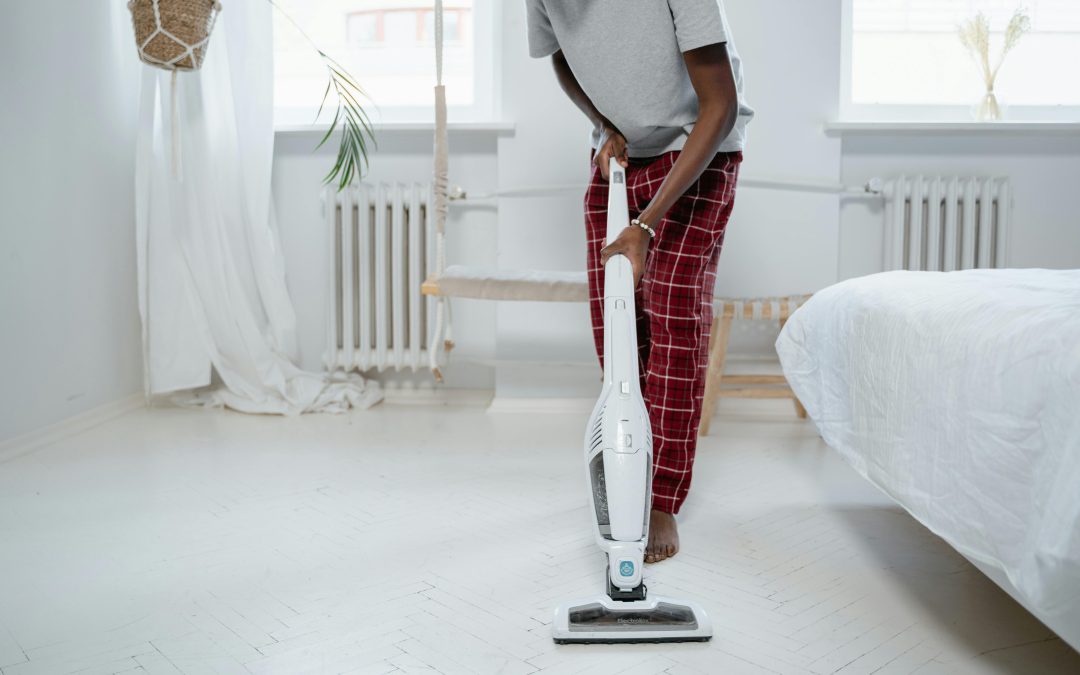
Vacuuming with a HEPA Filter
Regular vacuuming is essential, but not all vacuums are equally effective. Standard vacuums can sometimes release fine particles back into the air.
A vacuum with a HEPA filter is designed to trap tiny allergens instead of recirculating them.
To get the best results:
- Vacuum carpets and rugs at least twice a week
- Go over high-traffic areas more frequently
- Don’t forget upholstery and curtains
This is one of the most effective cleaning routines that reduce allergens in carpeted homes.
Wash Bedding Frequently
Your bed is one of the biggest hotspots for allergens. Dust mites thrive in warm, soft environments, especially bedding.
A study published in the Journal of Allergy and Clinical Immunology found that dust mite exposure is a major trigger for indoor allergies worldwide.
To reduce this:
- Wash sheets and pillowcases weekly in hot water
- Clean blankets and comforters regularly
- Use allergen-proof mattress and pillow covers
This simple habit can dramatically improve sleep quality and reduce allergy symptoms.
Control Humidity Levels
Moisture plays a big role in allergen growth, especially mold and dust mites. High humidity creates the perfect environment for them to thrive.
To manage humidity:
- Keep indoor levels between 30 and 50 percent
- Use dehumidifiers in damp areas
- Fix leaks and water damage quickly
Balanced humidity is a key part of cleaning routines that reduce allergens because it prevents their growth at the source.
Keep Floors Clean and Clutter Free
Floors collect dust, pet hair, and other allergens quickly. The more clutter you have, the harder it is to clean properly.
Helpful habits include:
- Sweeping or vacuuming daily in high-use areas
- Keeping shoes off indoors to reduce outdoor allergens
- Minimizing clutter so surfaces are easier to clean
Hard floors should be mopped regularly using a damp mop to trap fine particles.
Pay Attention to Air Vents and Filters
Air circulation systems can either help or spread allergens depending on how well they are maintained.
Make sure to:
- Change HVAC filters regularly
- Clean air vents and ducts when needed
- Use high-efficiency filters if possible
Clean air systems support other cleaning routines that reduce allergens by improving overall air quality.
Don’t Forget Curtains and Upholstery
Soft furnishings are often overlooked, but they collect a lot of dust and allergens over time.
To manage this:
- Wash curtains or vacuum them regularly
- Clean sofas and chairs with upholstery attachments
- Choose washable covers when possible
These small steps can significantly reduce hidden allergen buildup.
Keep Pets Clean and Groomed
Pets are a major source of allergens for many households. It is not about removing pets but managing their impact.
Try:
- Regular grooming to reduce shedding
- Washing pet bedding often
- Wiping pets down after outdoor time
This helps control dander, which is one of the most common indoor allergens.
Clean Air Naturally with Better Ventilation
Fresh air is one of the simplest ways to reduce indoor allergens. Stale air allows particles to accumulate over time.
Good practices include:
- Opening windows when outdoor air quality is good
- Using exhaust fans in kitchens and bathrooms
- Allowing cross-ventilation whenever possible
Good airflow supports all other cleaning efforts.
Create a Simple Weekly Routine
The key to success is consistency, not perfection. A simple routine is easier to maintain and more effective in the long run.
Here is a basic example:
- Daily: Quick surface wipe and light floor cleaning
- Weekly: Vacuuming, bedding wash, and dusting
- Monthly: Deep cleaning of vents, upholstery, and hidden areas
Following a structure like this makes cleaning routines that reduce allergens easier to stick with.
Final Thoughts: Small Habits, Big Relief
You do not need a perfect or overly complicated cleaning system to improve your home environment. What matters most is consistency and focusing on the right areas.
When you follow simple cleaning routines that reduce allergens, you are not just making your home look better. You are actively improving air quality and creating a space where you can breathe easier and feel more comfortable every day.
Start with small changes, build them into habits, and over time you will notice a real difference in how your home feels.