When you think of dirty places in your home, what comes to mind? Maybe the bathroom floor or the trash can? While those definitely need attention, some of the germiest places in the home are ones you might be touching every single day—without even realizing it.
Let’s be honest: germs are sneaky. They live on surfaces we use the most and clean the least. In this post, we’ll walk through the top bacteria hotspots in a typical home and share how to keep them in check—without turning into a cleaning fanatic.
Why Germs Love Your Home
Germs thrive in warm, moist environments, but they’re not picky. They cling to surfaces, especially ones touched often or exposed to food, water, or personal items. According to the National Sanitation Foundation (NSF), everyday objects in your home may carry more bacteria than a toilet seat.
Gross, right? But don’t panic—knowing where they hide is the first step to taking control.
1. Kitchen Sponge
Let’s start with a shocker: your kitchen sponge is likely the dirtiest item in your house. One NSF study found that over 75% of sponges tested had harmful bacteria like E. coli, Salmonella, and mold.
Quick fix: Microwave your damp sponge for 1–2 minutes daily or replace it weekly. Or switch to silicone scrubbers that are easier to sanitize.
2. Faucet Handles and Sink
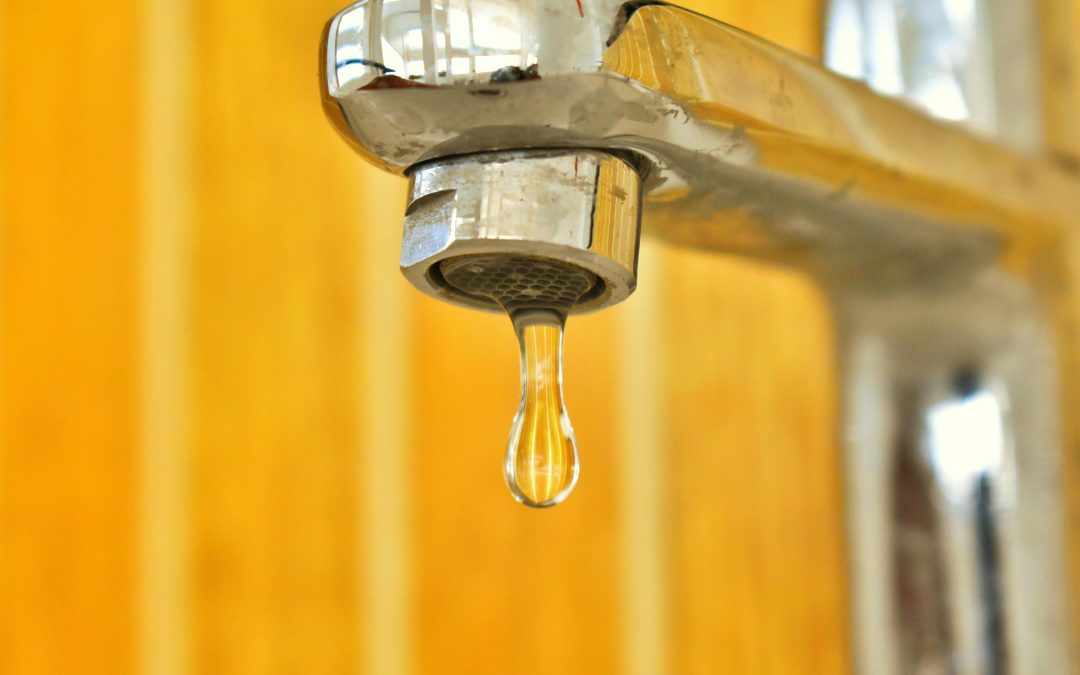
You wash your hands in the sink—but when’s the last time you cleaned the faucet? Water, food, and constant touching make kitchen and bathroom sinks a top bacteria zone.
Sanitation tip: Wipe faucet handles with a disinfectant daily, and scrub your sink with a baking soda paste weekly.
3. Toothbrush Holder
Yep, your toothbrush holder is one of the germiest places in the home, often full of moisture and residue from brushing. It’s rarely cleaned and located right next to the toilet—meaning it may be exposed to airborne particles after flushing.
Clean it: Wash the holder weekly with hot, soapy water or run it through the dishwasher if it’s safe to do so.
4. Remote Controls
We all use them. We rarely clean them. Between sticky fingers, sneezes, and snack crumbs, TV remotes and game controllers collect a surprising amount of bacteria.
Try this: Wipe them down weekly with an alcohol-based disinfectant wipe (especially during flu season).
5. Light Switches and Doorknobs
High-touch, low-maintenance—that’s the perfect storm for germs. Think about how many times your family touches light switches and door handles in a day.
What helps: Make it part of your weekly cleaning to wipe down all knobs and switches with a sanitizing spray or wipe.
6. Cutting Boards
Especially the ones used for raw meat. If not properly sanitized, they can harbor harmful bacteria and cross-contaminate other foods.
Safe practice: Use separate boards for meat and vegetables, and wash plastic or glass cutting boards in the dishwasher. Wooden boards should be cleaned with vinegar or diluted bleach solution.
7. Cell Phones and Tablets
Your phone goes everywhere—kitchen, bathroom, bed—yet many of us rarely clean it. Studies show the average phone has more bacteria than a public toilet seat.
Clean smart: Use a microfiber cloth with 70% isopropyl alcohol to wipe screens and cases. Avoid harsh chemicals that can damage the device.
8. Pet Bowls and Toys
If you’ve got furry friends, you’ve got extra cleaning duties. Pet bowls often harbor yeast and bacteria, while toys can collect drool, dirt, and dust.
Easy fix: Wash bowls daily and toys weekly (check if they’re dishwasher safe!).
9. Refrigerator Handles and Drawer Pulls
You open the fridge all day—after handling raw food, touching your face, or playing outside. Now imagine what’s living on those handles.
To-do: Disinfect fridge handles, cabinet pulls, and drawer knobs every few days—especially in food prep zones.
10. Laundry Machine (Yes, Really)
Your washing machine can harbor mold and bacteria, especially if it’s a front-loader. The gasket and detergent drawer are prime spots for moisture and grime.
Keep it clean: Run an empty hot water cycle with vinegar or a washer cleaner once a month. Wipe the rubber seal weekly.
Final Thoughts: Clean the Spots You Can’t See
You don’t need to scrub your house 24/7, but being aware of the germiest places in the home helps you focus on what really matters. A few extra minutes each week spent cleaning these high-touch, high-risk spots can go a long way toward keeping your household healthier.
Start small: Pick two or three of these spots to clean today. You might be surprised by how much fresher your home feels—and how much peace of mind it brings.