Have you ever wondered how offices, hotels, and even homes stay sparkling clean without you lifting a finger? It’s not magic. Behind every spotless space is a carefully planned and executed professional cleaning process. Understanding how professional cleaning works can help you appreciate the skill, strategy, and technology involved in keeping environments hygienic and presentable.
From commercial offices to residential spaces, professional cleaning goes beyond sweeping and dusting. It is a blend of science, technique, and consistency that ensures safety, aesthetics, and longevity of surfaces.
Let’s break down the process step by step so you know what makes professional cleaning so effective.
What Is Professional Cleaning?
Professional cleaning involves the systematic cleaning of residential, commercial, or industrial spaces using specialized equipment, trained personnel, and approved cleaning agents. It is more than just removing dirt. It aims to:
- Kill germs and bacteria
- Prevent cross-contamination
- Maintain surfaces and materials
- Create a healthy environment for occupants
According to the International Sanitary Supply Association, professional cleaning services contribute to reducing workplace illnesses and can improve employee productivity by up to 12 percent. This shows the tangible benefits beyond just aesthetics.
Understanding how professional cleaning works begins with recognizing that it is both methodical and strategic.
Step One: Assessment and Planning
Every professional cleaning job starts with an assessment. The cleaning team evaluates:
- The type of space (office, hotel, hospital, or home)
- Surfaces and materials (hardwood, tile, carpet, or upholstery)
- Level of dirt or contamination
- Client preferences and schedule
Based on this assessment, a cleaning plan is created. This plan determines the frequency, methods, and equipment needed. Some spaces require daily cleaning, while others might need weekly or monthly deep cleans.
Planning ensures efficiency. Professional cleaners know what tasks are critical and how to prioritize them without wasting time or resources.
Step Two: Choosing the Right Cleaning Methods and Products
Not all surfaces and stains are the same. Professional cleaners select methods and products based on:
- Surface material
- Type of dirt or contamination
- Environmental considerations
Common methods include:
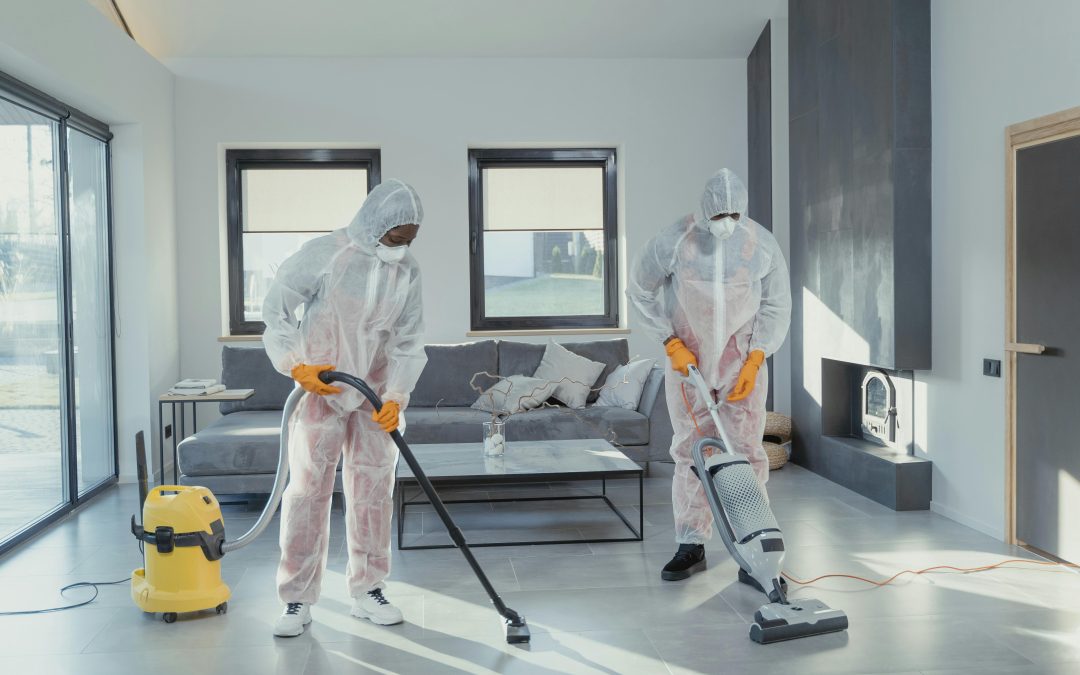
- Vacuuming and dusting for dust and allergens
- Steam cleaning for carpets and upholstery
- Disinfection using EPA-approved sanitizers
- Polishing hard surfaces like floors and countertops
Green cleaning products are increasingly popular in professional cleaning. These products reduce harmful chemical exposure while remaining effective, which is important in schools, hospitals, and homes with children or pets.
This step is central to understanding how professional cleaning works because using the wrong product or technique can damage surfaces or leave germs behind.
Step Three: Routine Cleaning Tasks
Routine professional cleaning tasks are designed to maintain cleanliness consistently. They typically include:
- Sweeping, vacuuming, and mopping floors
- Dusting and wiping surfaces
- Emptying trash bins and replacing liners
- Cleaning restrooms and sanitizing high-touch areas
- Cleaning glass surfaces and mirrors
These tasks may seem simple, but professionals follow a system that reduces the spread of dirt and germs. For example, they clean from top to bottom and from the least dirty areas to the dirtiest to avoid cross-contamination.
Consistency in routine cleaning is a cornerstone of how professional cleaning works. It keeps spaces healthy and visually appealing day after day.
Step Four: Deep Cleaning
In addition to routine cleaning, deep cleaning addresses areas that are harder to reach or clean regularly. Deep cleaning may include:
- Carpet and upholstery shampooing
- Scrubbing grout and tile
- Cleaning behind large furniture or appliances
- High dusting of vents, ceilings, and light fixtures
Deep cleaning is often scheduled periodically, such as quarterly or annually, depending on the space. For commercial settings, deep cleaning ensures compliance with health and safety standards.
Professional teams use advanced equipment and techniques during deep cleans, which allows them to tackle areas that typical home cleaning might miss.
Step Five: Sanitization and Disinfection
In today’s environment, sanitization has become as critical as cleaning. Professional cleaners often:
- Use EPA-approved disinfectants
- Target high-touch surfaces like door handles, light switches, and keyboards
- Ensure proper dwell time for disinfectants to kill pathogens effectively
According to the Centers for Disease Control and Prevention, effective surface cleaning and disinfection can significantly reduce the risk of illnesses caused by bacteria and viruses in communal spaces.
This phase highlights the health aspect of professional cleaning and shows why it goes beyond just appearances.
Step Six: Equipment and Technology
Professional cleaning is supported by specialized tools and technology. Common equipment includes:
- HEPA filter vacuums for allergens and dust
- Steam cleaners for carpets and hard surfaces
- Floor scrubbers and polishers
- Microfiber cloths for dust and dirt retention
- Scheduling software for efficiency and accountability
Technology allows professional teams to clean faster, more effectively, and in an environmentally friendly way.
Step Seven: Quality Control and Inspection
Professional cleaning does not end when the last surface is wiped. Supervisors often inspect the area to ensure:
- Cleaning standards are met
- High-touch areas are properly disinfected
- No spots or residue are left behind
Some companies provide clients with reports or checklists to verify service quality. This accountability is part of how professional cleaning works and ensures consistent results.
Benefits of Professional Cleaning
Hiring a professional cleaning service provides multiple benefits:
- Healthier indoor environment by reducing allergens and germs
- Extended lifespan of surfaces and furnishings
- Enhanced aesthetic appeal for homes and businesses
- Reduced risk of workplace illness and absenteeism
Understanding these benefits helps you see why professional cleaning is an investment rather than a simple expense.
Common Misconceptions
Some people assume professional cleaning is just about looking good. In reality, it is a science-based process. Cleaners consider:
- Chemical compatibility with surfaces
- Proper sequence of tasks to prevent contamination
- Safety protocols for both staff and occupants
Mistakes can lead to damage or ineffective cleaning, which is why training is critical.
Final Thoughts on How Professional Cleaning Works
At its core, how professional cleaning works is a structured, step-by-step process. It begins with assessment and planning, continues with routine and deep cleaning, and includes proper sanitization, technology use, and quality checks.
What looks like a sparkling floor or polished desk is actually the result of careful planning, skillful execution, and attention to detail.
If you are considering professional cleaning services, understanding this process helps you make informed decisions and appreciate the expertise involved. A well cleaned space is not only attractive, it supports health, comfort, and productivity.