
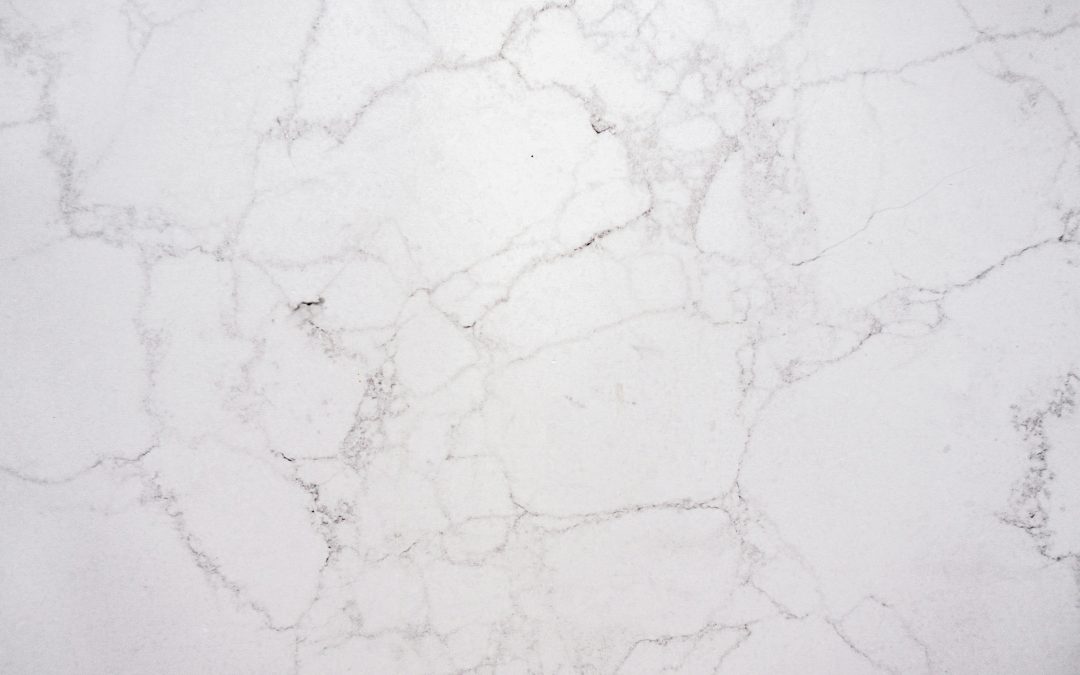
White quartz countertops are one of the most elegant and durable choices for modern kitchens. Their glossy finish and sleek appearance make them an instant centerpiece in any home. However, keeping that pristine white shine requires proper care and cleaning. The good news? Quartz is non-porous, meaning it resists stains and bacteria better than many other materials—but only if maintained correctly. In this guide, we’ll walk you through how to clean white quartz countertops, remove stains, and protect your surface for years of beauty and performance.
Understanding White Quartz
Before cleaning, it helps to understand what makes quartz unique. Quartz countertops are made from natural quartz crystals mixed with resins and pigments. This combination creates a surface that’s strong, smooth, and resistant to scratches, chips, and most household stains.
Unlike marble or granite, quartz doesn’t need sealing because it’s non-porous. However, that doesn’t mean it’s completely maintenance-free. Everyday use, especially in kitchens, can lead to grease spots, water marks, and residue buildup that dulls the finish. The key is regular, gentle cleaning with the right products and methods.
Daily Cleaning Routine
Keeping white quartz clean doesn’t have to be complicated. With just a few simple habits, you can maintain a spotless surface every day.
- Wipe spills immediately: Even though quartz is resistant to staining, substances like coffee, wine, and tomato sauce can leave marks if left for too long. Use a soft cloth or paper towel to clean up spills right away.
- Use mild dish soap and warm water: Mix a few drops of gentle dish soap with warm water and wipe the surface using a microfiber cloth. This removes grease and food residue effectively without harming the finish.
- Rinse and dry: After cleaning, rinse the cloth with clean water and wipe again to remove soap residue. Finish by drying with a soft towel to prevent streaks.
This simple daily routine keeps your countertops looking bright and smooth without harsh chemicals.
Deep Cleaning Once a Week
Even with regular wiping, quartz countertops can accumulate grime from cooking oils or hard water. A weekly deep clean helps restore shine and remove buildup.
- Use a non-abrasive surface cleaner formulated for quartz or stone surfaces. Spray it evenly and let it sit for a few minutes.
- Wipe using a soft sponge or microfiber towel. Avoid rough pads that can scratch the resin coating.
- For stubborn spots, gently scrub in circular motions, then rinse and dry thoroughly.
Pro Tip: Always avoid cleaners that contain bleach, ammonia, or vinegar. These can dull the finish or damage the bonding resins in quartz over time.
How to Remove Stubborn Stains from White Quartz
Although quartz resists stains, certain spills can still leave marks if they sit too long. Here’s how to handle common issues safely.
1. Grease and Oil Stains:
Mix a small amount of dish soap with warm water and apply it to the greasy area. Let it sit for a few minutes, then gently scrub with a non-scratch sponge. For extra tough grease, use a degreasing cleaner made specifically for quartz.
2. Coffee, Tea, or Wine Stains:
Use a paste made of baking soda and water. Apply it to the stain, let it sit for 10–15 minutes, and gently wipe it away. Don’t rub aggressively—quartz doesn’t need heavy scrubbing.
3. Dried Food or Sticky Residue:
Use a plastic scraper or a rubber spatula to gently lift dried residue. Avoid metal tools, which can scratch the surface.
4. Ink or Marker Stains:
Dampen a cloth with isopropyl alcohol (rubbing alcohol) and lightly blot the area. This removes ink without damaging the quartz’s sheen.
5. Water Marks or Hard Water Spots:
Wipe with a mixture of distilled water and a few drops of dish soap. For mineral buildup, use a gentle limescale remover labeled safe for quartz.
What Not to Use on Quartz Countertops
White quartz is durable, but it’s not indestructible. Using the wrong products can cause discoloration, dullness, or even cracks. Avoid the following:
- Abrasive scrub pads: Steel wool or rough sponges can scratch the surface.
- Acidic or alkaline cleaners: Avoid vinegar, lemon juice, bleach, or ammonia-based sprays.
- Strong solvents: Paint removers, nail polish remover, and oven cleaners can break down the quartz resin.
- Hot pans or pots: Quartz is heat-resistant but not heat-proof. Always use trivets or pads to avoid thermal shock.
- Cutting directly on the surface: Use a cutting board to prevent knife marks and protect your countertop’s polish.
Following these precautions will extend the life and shine of your countertops dramatically.
Restoring Shine to Dull Quartz
Over time, daily use can make quartz look less glossy. You can easily bring back its brilliance with a few extra steps:
- After cleaning, use a quartz polish or a small amount of window cleaner (ammonia-free).
- Buff gently with a clean microfiber cloth using circular motions.
- Avoid using wax—it can leave a sticky residue.
Regular polishing every couple of weeks enhances the shine without harming the surface.
Preventive Maintenance Tips
A little care goes a long way in keeping white quartz countertops spotless. Here are simple habits that protect them from damage:
- Place mats under appliances like toasters and blenders to catch spills.
- Wipe down the surface after meal prep or cooking to prevent staining.
- Don’t slide heavy pans or dishes across the surface—lift instead.
- Keep cleaning cloths clean to avoid spreading dirt or residue.
By maintaining a consistent routine, you’ll enjoy flawless, bright countertops for years without professional intervention.
When to Call a Professional
If you notice deep scratches, chips, or persistent discoloration, it’s best to contact a quartz restoration specialist. They can polish or repair the surface using safe methods and restore its original finish without replacing it.
Final Thoughts
Knowing how to clean white quartz countertops is all about gentle, consistent care. You don’t need harsh chemicals or expensive cleaners—just mild soap, soft cloths, and good daily habits. Quartz is designed to be low-maintenance, but regular cleaning keeps it looking brand new.
By wiping spills quickly, using the right products, and protecting your counters from heat or abrasion, you’ll preserve that bright, luxurious appearance for years. A sparkling quartz surface not only elevates your kitchen’s look but also reflects the care and attention you put into your home.