
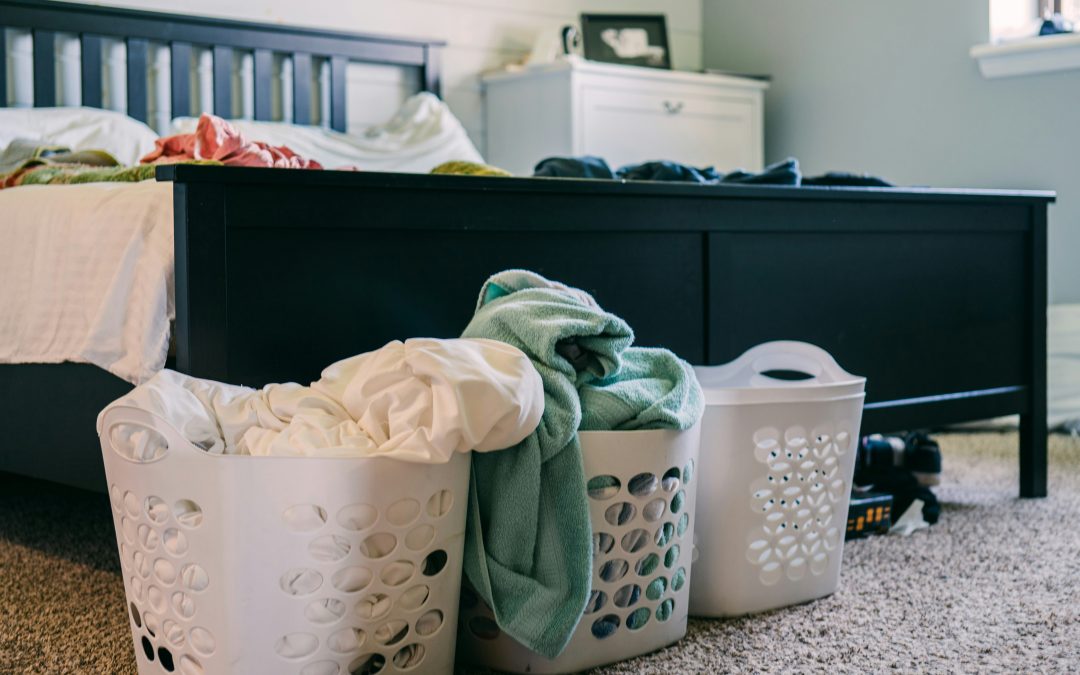
If your home always seems to be a mess no matter how often you clean, you’re not alone. Many people struggle with finding the time and motivation to stay on top of chores. That’s where the 1% rule of cleaning comes in — a simple but powerful approach that helps you maintain a clean and organized home without stress or burnout.
Instead of marathon cleaning sessions that leave you exhausted, the 1% rule focuses on doing a little bit every day. It’s about progress, not perfection. In this guide, we’ll explain what the 1% rule of cleaning is, how it works, and how you can apply it to transform your space and your mindset.
What Is the 1% Rule of Cleaning?
The 1% rule of cleaning is a minimalist philosophy that encourages you to improve your home’s cleanliness by just 1% each day. The idea is simple: rather than trying to clean your entire house at once, you focus on small, manageable actions that add up over time.
Think of it like compound interest for your home. If you invest a little effort consistently, your space will become cleaner, more organized, and easier to maintain.
For example:
- Wiping down the bathroom sink before bed.
- Folding a small pile of laundry instead of tackling the whole basket.
- Tidying one drawer, shelf, or countertop each day.
Each small action might not seem like much in the moment, but the cumulative effect is significant. After a week, your home feels more orderly. After a month, you notice lasting change.
The Psychology Behind the 1% Rule
The 1% rule is rooted in behavioral psychology. Big cleaning goals — like “deep clean the entire house this weekend” — often lead to procrastination because they feel overwhelming. When you break cleaning into tiny, achievable steps, your brain sees them as easy wins.
This approach triggers a sense of accomplishment that motivates you to keep going. Over time, these consistent small efforts form a habit, and habits are what truly keep your home clean long-term.
The concept also draws inspiration from productivity expert James Clear’s book Atomic Habits, where he says, “Small habits don’t add up. They compound.” The same principle applies to cleaning. Improving your home by just 1% daily creates compounding results over time.
How to Apply the 1% Rule of Cleaning
You can start using the 1% rule immediately — no special tools, schedules, or planners required. Here’s how to put it into practice:
1. Start Small — Really Small
Begin by choosing one small task each day. The key is to keep it so simple that you can’t talk yourself out of it. Some ideas include:
- Wipe kitchen counters after dinner.
- Clear clutter off one nightstand.
- Sweep the entryway before bed.
- Empty the bathroom trash can.
You don’t need to spend hours cleaning. Even five minutes of focused effort can make a noticeable difference.
2. Focus on the “High-Impact” Areas
If you’re short on time, prioritize areas that make the biggest visual or functional difference. These are the spots you see and use most often, such as:
- Kitchen counters
- Bathroom sink
- Living room surfaces
- Entryway or hallway
Cleaning these areas first creates an instant sense of order and motivates you to tackle other zones.
3. Add Cleaning Habits to Existing Routines
The easiest way to build a habit is to attach it to something you already do. For example:
- Wipe down the bathroom mirror after brushing your teeth.
- Put away dishes right after your morning coffee.
- Make the bed as soon as you wake up.
This strategy, called “habit stacking,” helps cleaning feel natural instead of like an extra chore.
4. Use the 5-Minute Rule
If you ever feel overwhelmed, set a timer for five minutes and clean until it goes off. You’ll be surprised how much progress you can make in that short time. Often, once you get started, you’ll want to keep going.
5. Reward Yourself for Consistency
The 1% rule isn’t about perfection; it’s about steady improvement. Celebrate your consistency rather than focusing on what’s left to do. Reward yourself with a break, a cup of tea, or simply take a moment to appreciate your clean space.
Real-Life Examples of the 1% Rule in Action
Here are a few ways people use the 1% rule to make cleaning manageable and sustainable:
- Kitchen: Each evening, put away dry dishes and wipe one section of the countertop. Within a week, the entire kitchen looks cleaner and stays that way.
- Bedroom: Spend two minutes picking up clothes each morning. Over time, the habit prevents laundry piles from forming.
- Bathroom: After every shower, quickly spray and rinse the walls to prevent soap scum buildup.
- Living Room: At night, do a quick reset — fluff cushions, fold blankets, and put remote controls in place.
These tasks seem tiny, but they keep mess from snowballing into something overwhelming.
Why the 1% Rule Works So Well
The 1% rule of cleaning works because it changes your mindset. Instead of viewing cleaning as a giant project, it becomes a series of quick, easy wins. Here’s why it’s so effective:
- It eliminates procrastination: You’re more likely to start when the task feels small.
- It builds momentum: Small successes lead to motivation and consistency.
- It prevents overwhelm: You no longer face massive weekend cleanups.
- It creates a habit loop: The satisfaction of completing small tasks encourages daily maintenance.
Most importantly, the 1% rule teaches you that keeping a clean home isn’t about doing more — it’s about doing a little bit regularly.
Adapting the 1% Rule to Your Lifestyle
The beauty of the 1% rule is its flexibility. Whether you live in a studio apartment or a large family home, you can tailor it to fit your needs.
If you have a busy schedule, focus on micro-tasks that take less than five minutes. If you prefer structure, make a simple checklist with daily, weekly, and monthly 1% goals. For example:
- Daily: Make the bed, wipe counters, tidy one surface.
- Weekly: Vacuum floors, clean bathroom mirror, declutter one drawer.
- Monthly: Organize a closet, deep clean an appliance, wash curtains.
Each small effort compounds into visible results that last.
Common Mistakes to Avoid
While the 1% rule is simple, a few pitfalls can reduce its effectiveness:
- Expecting instant perfection: It’s about progress, not an overnight transformation.
- Skipping consistency: Doing too much one day and nothing the next breaks momentum.
- Setting unrealistic goals: Keep tasks small and doable. The goal is sustainability.
By staying consistent and forgiving yourself for missed days, you’ll keep moving forward.
Final Thoughts
So, what is the 1% rule of cleaning? It’s the principle of making small, consistent improvements to your home each day. By investing just a little effort — about 1% — you prevent clutter from piling up, reduce stress, and create a space that feels calm and welcoming.
You don’t need to spend hours cleaning or wait for motivation to strike. Simply take one small action daily. Over time, those actions compound into lasting results. The beauty of the 1% rule is that it’s easy to start and hard to fail — and before long, you’ll find yourself living in a home that practically cleans itself.